
Connecting physical intelligence with cognitive intelligence
Dr. Hussain's long-term research vision is to advance embodied intelligence in robotic systems through the seamless integration of physical intelligence and cognitive intelligence. Traditional robotics research often separates mechanical design from algorithmic intelligence; however, biological systems achieve adaptability through the interaction between body, sensing, actuation, cognition, and environment.
His work bridges this gap by developing robotic systems that combine compliant design, innovative actuation, intelligent sensing, perception, planning, learning, and control.
This vision has guided the establishment of multiple research programs at Khalifa University, including healthcare robotics, marine robotics, agricultural robotics, wearable robotics, robotic manipulation, and autonomous intelligent systems.
The research philosophy emphasizes both scientific excellence and societal relevance. These technologies address challenges in rehabilitation, human augmentation, food security, environmental sustainability, maritime safety, and industrial automation.

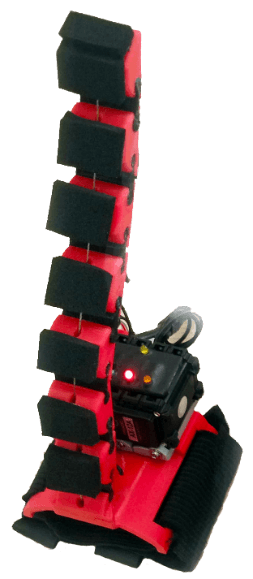
Wearable Robotics and Human Augmentation
Supernumerary robotic fingers and arms, wearable haptics, and compliant wearable systems extend human capabilities and support research into assistance and rehabilitation.
Explore research
Variable Stiffness Actuation and Compliant Robotics
Variable-stiffness joints and compliant mechanisms explore how robots can adapt their physical response during contact and human interaction.
Explore research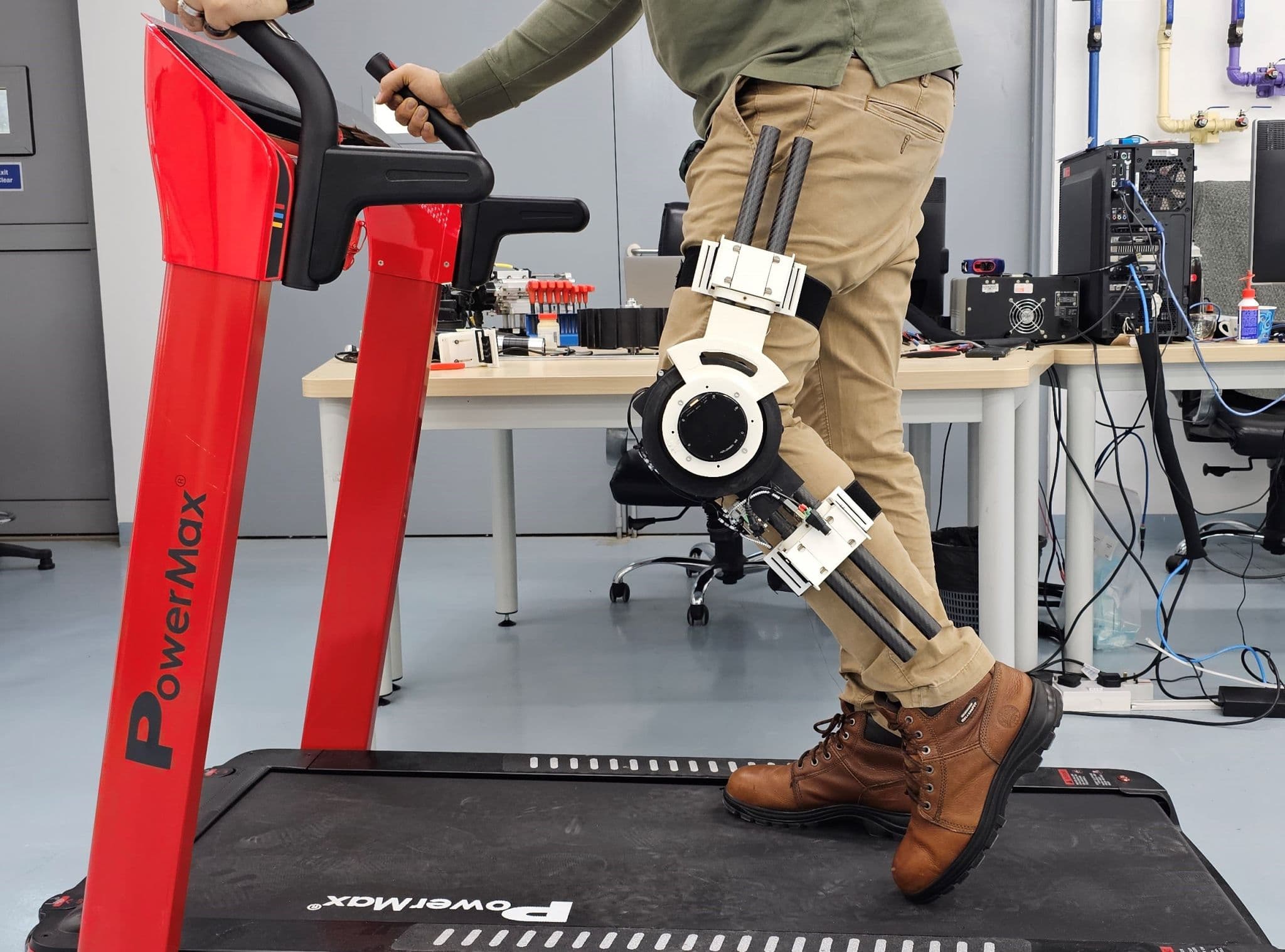
Healthcare Robotics
Wearable robots and assistive interfaces bring together mechanical design, sensing, and human interaction for rehabilitation research and everyday assistance.
Explore research
Marine Robotics and Autonomous Maritime Systems
Surface, aerial, and underwater robotic platforms support research into maritime navigation, inspection, manipulation, and environmental monitoring.
Explore research
Agricultural Robotics and Intelligent Farming
Sensing, manipulation, and AI support fruit assessment, assisted pollination, crop inspection, harvesting, and postharvest handling.
Explore research